The 2027 NSW state election will be held on 13 March. For organisations seeking change, the real deadline is much earlier. Parties are finalising their platforms now, and with the next State Budget landing after polling day, campaign commitments will shape funding for the next four years.
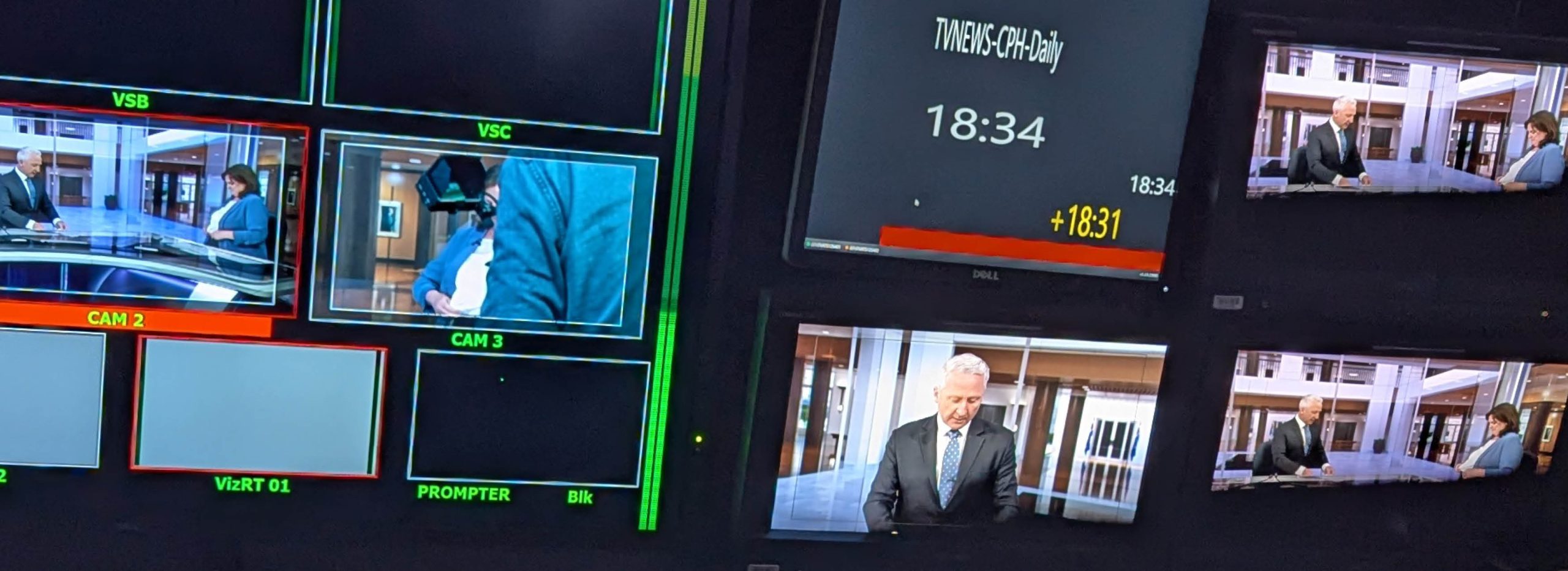
A strong government relations program with a clear narrative on the issues and required solutions is essential to influence the priorities that the major parties bring to the election. Through our work, we’ve found that strong media coverage is key to opening the metaphorical doors to ministers.
Articles in the media are used as social proof to evidence the public’s concern about the issues, while educating ministers on an organisation’s proposed solutions.
Why time is of the essence
Policy platforms take shape in the months before the campaign, as parties test ideas and cost commitments. By the time caretaker mode begins, most parties have moved from listening to announcing.
This election raises the stakes. Labor governs in minority, one seat short of a majority, so the crossbench has real influence. And because election promises are formally costed, policy teams favour asks with clear evidence of need, scale and return.
If you’re planning to engage after Christmas, you’re planning to arrive late.
Why candidates need data and stories
Candidates are wary of risk. A moving story gets their attention, but rarely a commitment. They need to know the problem is real, how big it is, and that it affects voters in their electorate. Evidence answers “is this real?” Personal stories answer “why should anyone care?”
The National Growth Areas Alliance (NGAA) showed how this works ahead of the 2025 federal election. Its research found that outer metropolitan suburbs account for 30% of national population growth but receive just 15% of federal funding.
That number became news when it was attached to a real person. In November 2024, more than five months before polling day, a national broadcaster ran the story through Ms Patterson, a lifelong Camden resident worried that roads, hospitals and train stations weren’t keeping up. The data then gave ballast to her perspective: growth suburbs scored just 17% on access to healthcare and 3% on community and sporting facilities.
A resident made the problem real, and the research, along with high-profile NGAA spokesperson appearances on ABC News and Sky News: Politics Now, showed it was a pattern across a whole region. Together they gave every local candidate a question to answer.
Read the NGAA case study →
How media coverage moves commitments
A well-timed story in a local paper or on the evening news tells a candidate that their voters are paying attention, and that staying silent has a cost. A burst of coverage across multiple days lands on their desk each morning, evidencing the scale of public support:
- Get in early. If your issue only appears once the campaign is underway, someone else has already set the agenda.
- Plan around the data calendar to keep the pressure on. Major releases, including the Productivity Commission’s Report on Government Services in late January, land before polling day. Prepare your angle now.
- Go local. A story set in a specific electorate, especially a marginal one, is far harder for its candidates to ignore than a statewide statistic.
- Get real. Numbers evidence the scale of issues, but its real peoples’ stories that make the public, and in turn ministers, care.
- Have your spokespeople ready. When a journalist calls with a same-day deadline, there’s no time to find a case study or brief your CEO.
Is your organisation ready for that call? Take ImpactInstitute’s Media Readiness Diagnostic.
Your next steps
- Now: agree on one or two costed asks and develop your evidence and narrative.
- December–January: brief ministers, shadow ministers and crossbenchers while platforms are still taking shape.
- December–February: go public with your evidence and local stories.
- March: track commitments, then follow up after 13 March to turn promises into funding.
Turn your impact into influence
ImpactInstitute combines research and impact measurement with strategic communications, helping organisations bring authority and evidence to the debates that shape their sector.
Talk to ImpactInstitute’s Head of Brand Storytelling, Niall Hughes about your NSW election strategy → Let’s talk